Abia State Deputy Governor, Engr. Ikechukwu Emetu Pushes for Mandatory Legislative Training for Newly Elected Abia LG Councillors
theoversightnews
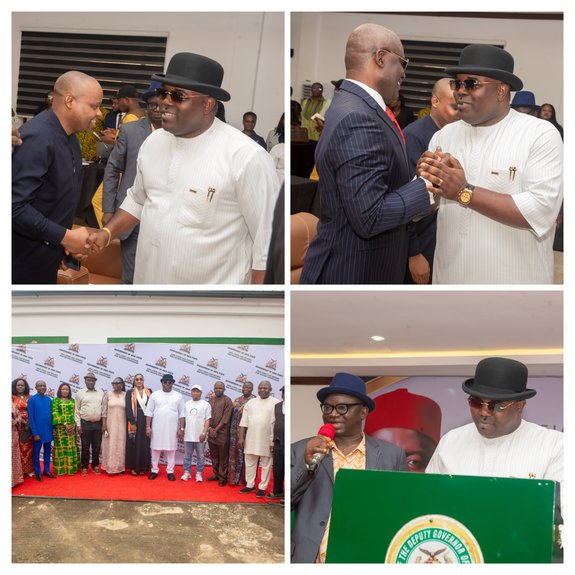
Abia State Deputy Governor, Engr. Ikechukwu Emetu Pushes for Mandatory Legislative Training for Newly Elected Abia LG Councillors
Umuahia, August 1, 2026 — Abia State Deputy Governor, Engr. Ikechukwu Emetu, has advocated mandatory orientation and continuous capacity-building programmes for all newly elected local government legislators, saying knowledgeable lawmakers are essential for effective grassroots governance and quality legislation.
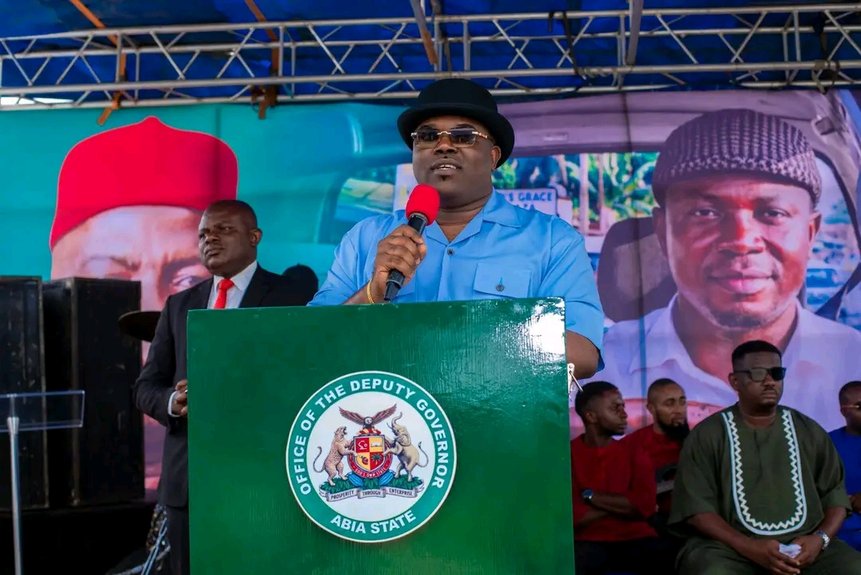
Emetu made the call on Friday while declaring open a one-day Capacity Building Seminar for Local Government Legislators. The programme was organised by the Abia State Law Reform and Review Commission in collaboration with the Office of the Senior Special Assistant (Legal) to the Governor, the Ministry of Justice, and the Ministry of Local Government and Chieftaincy Affairs.
The seminar, themed "Strengthening Local Government Legislative Capacity for Effective Grassroots Governance in Abia State," brought together councillors and legislative officials from all 17 local government areas of the state.
Representing Governor Dr. Alex Chioma Otti, OFR, the Deputy Governor said the ongoing review and documentation of local government bye-laws had exposed the need to strengthen legislative institutions through regular training and capacity development.
He described legislation as the foundation of democracy, noting that local government legislative councils play a crucial role in ensuring accountability, promoting justice, and driving development at the grassroots.
Emetu urged the councillors to enact people-oriented bye-laws that would protect vulnerable groups, encourage economic growth, maintain public order, and address the unique needs of their communities.
He further proposed that structured legislative orientation and capacity-building programmes should become mandatory within the first quarter after the inauguration of every new local government legislative council in Abia State.
The proposal received unanimous approval through a voice vote by participants.
Earlier, the Secretary of the Abia State Law Reform and Review Commission, Barr. Dave Okwum Kalu, described the seminar as the first statewide capacity-building programme for local government legislators in Abia.
He explained that the initiative emerged from the Commission's ongoing exercise of documenting bye-laws across the state's 17 local government areas, which revealed significant gaps in legislative drafting and law-making capacity among councillors.
Barr. Kalu encouraged participants to actively engage in the training and adopt a "train-the-trainer" approach by sharing the knowledge acquired with their colleagues in their respective legislative councils.
Also speaking, the Attorney General and Commissioner for Justice, Mr. Ikechukwu Uwanna, SAN, said the seminar reflected Governor Otti's commitment to institutional development and continuous capacity building.
Describing local government as the foundation of sustainable development, he noted that the Governor's emphasis on training informed the approval of the programme. He also commended the revitalisation of the Abia State Law Reform and Review Commission, saying it has strengthened legal reforms across the state.
The Senior Special Assistant to the Governor on Legal Matters, Mrs. Nkolika Cleopatra, emphasised that properly drafted and legally compliant bye-laws are critical to effective local government administration.
She urged participants to maximise the opportunity provided by the seminar to improve their legislative competence and contribute to better governance at the grassroots.
In his remarks, the Commissioner for Local Government and Chieftaincy Affairs, Prince Uzor Nwachukwu, described the seminar as timely and called for similar training programmes to be extended to all councillors across the state's 17 local government areas.
Speaking on behalf of the Speaker of the Abia State House of Assembly, Rt. Hon. Emmanuel Emeruwa, the member representing Ohafia South Constituency, Hon. Kalu Mba Nwoke, said local government remains the closest tier of government to the people and that effective grassroots governance depends on strong and well-informed legislative councils.
He observed that many councillors assume office without adequate knowledge of legislative procedures, public financial management, budget analysis, and oversight responsibilities, resulting in weak accountability and poorly drafted bye-laws.
According to him, well-trained legislators are better equipped to enact relevant and enforceable bye-laws, carry out effective oversight, ensure budgets reflect the needs of the people, promote transparency, and serve as a vital link between government and the communities.
He commended Governor Alex Otti for supporting the initiative and called for regular capacity-building programmes to further strengthen local government legislatures across the state.
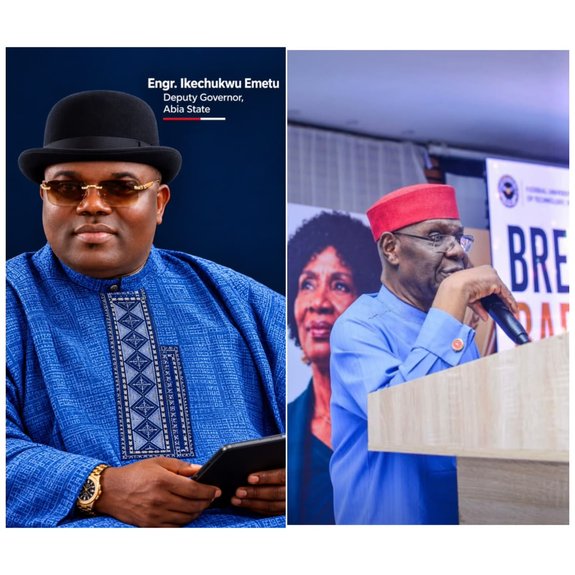
Delivering the keynote address, former Deputy Governor of Abia State and former Speaker of the Abia State House of Assembly, Sir Ude Oko Chukwu, said strong legislative councils are indispensable to effective grassroots governance.
He noted that many councillors begin their legislative duties without sufficient knowledge of legislative procedures, budget analysis, and oversight functions, leading to weak law-making and reduced accountability. He urged the state government to sustain regular training programmes to build stronger local government legislatures.
Presenting a paper titled "The Strategic Role of Local Government Legislators in Advancing Grassroots Governance and Development," constitutional law scholar Dr. Udo Ugochukwu encouraged councillors to make people-centred bye-laws through active community engagement, effective oversight, and responsible representation.
He stressed that stronger legislative capacity, financial autonomy, and continuous training would improve transparency, enhance service delivery, and deepen democracy at the grassroots.
The seminar also featured technical sessions on the legal framework for local government legislation, legislative drafting, and practical law-making, with participants drawn from all 17 local government areas of Abia State.