Abia NSCDC Pushes for Technology-Driven Security as Personnel Complete Capacity-Building Workshop
theoversightnews
Abia NSCDC Pushes for Technology-Driven Security as Personnel Complete Capacity-Building Workshop
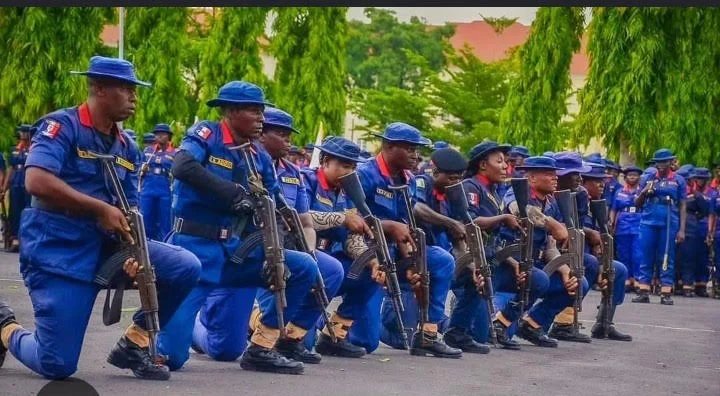
The Nigeria Security and Civil Defence Corps (NSCDC), Abia State Command, has called on its personnel to embrace modern security practices, technology, and professional skills following the successful conclusion of a five-day capacity-building workshop for divisional commanders across the state's 17 local government areas and heads of departments.
The workshop, themed "Technological Advancement in Security Management, Intelligence, Investigation, Prosecution and Threat Communication Networks," also included practical sessions on rules of engagement and weapon handling.
Organised by the Abia State Command of the NSCDC in collaboration with the Abia State Government, the training focused on equipping officers with the knowledge and tools needed to address emerging security challenges through the effective use of technology.
Speaking at the event, Abia State Governor, Dr. Alex Otti, said the adoption of modern technology in security management is no longer optional but essential for closing existing gaps in surveillance and overall security operations.
The governor, who was represented by his Special Adviser on Security Matters, Commander MacDonald Ubah (retd.), noted that the workshop reflects his administration's commitment to safeguarding lives and property across the state through continuous investment in personnel development.
Also speaking, the Commandant General of the NSCDC, Prof. Ahmed Audi, represented by the Zonal Commander of Zone 5, covering Abia and Imo states, Mr. Ahmed Gandi, stressed the need for discipline, professionalism, and teamwork among officers.
He reminded personnel that they occupy positions of public trust and are expected to uphold safety, peace, and order at all times, urging them to remain committed to their responsibilities.
In his address, the Abia State Commandant of the NSCDC, Mr. Chukwuemeka Odimba, explained that the workshop was designed to expose participants to modern security strategies and operational techniques.
According to him, the training covered key areas such as security management, intelligence gathering, technological innovation, threat assessment, information management, and wireless communication networks, all aimed at improving the operational effectiveness of the Corps.