Education Central to Tinubu Agenda, Says Gbajabiamila
theoversightnews
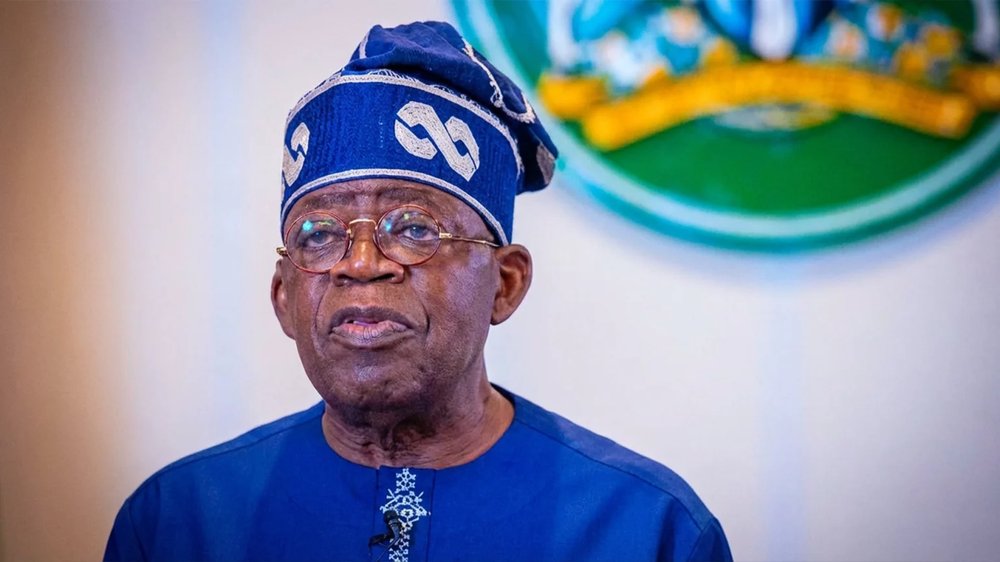
Education Central to Tinubu Agenda, Says Gbajabiamila
The Federal Government has reiterated that education remains a key pillar of President Bola Tinubu’s administration.
The Chief of Staff to the President, Femi Gbajabiamila, stated this on Friday at the State House in Abuja while receiving the leadership of the National Association of Nigerian Students (NANS) on a courtesy visit.
Gbajabiamila said the Tinubu administration considers education one of its strongest policy priorities, emphasizing its commitment to investing in young people and fostering a conducive academic environment.
“Education is one of the pillars of this administration. We believe in the youths, in your energy and capacity, and we do not pay lip service to matters concerning students,” he said.
He urged student leaders across the country to support government efforts by intensifying advocacy against social vices on campuses, including drug abuse, cultism, and prostitution.
According to him, universities and colleges are not only centres of academic excellence but also institutions responsible for character development and moral formation.
“It is important to address the ills of social vices among students. I urge you to make moral reorientation part of your engagement with colleagues,” he added.
Gbajabiamila disclosed that the President considers the fight against social vices a national priority and has constituted a special committee to address rising concerns in secondary and tertiary institutions.
On industrial harmony within the university system, he noted that sustained dialogue with the Academic Staff Union of Universities (ASUU) has improved stability, with the country approaching three years without a nationwide university strike.
He recalled his tenure as Speaker of the House of Representatives, during which he participated in negotiations aimed at resolving recurring ASUU strikes that had previously disrupted academic calendars.
The Chief of Staff also highlighted the Nigerian Education Loan Fund (NELFUND), describing the student loan initiative as a transformative intervention that is helping indigent students remain in school.
In his remarks, the Senior Special Assistant to the President on Student Engagement, Sunday Asefon, reaffirmed the Presidency’s commitment to sustained dialogue with students and consolidating stability in the education sector. He said recent reforms under the current administration have restored predictability to academic calendars, noting that past government-ASUU disputes severely affected university education.
Earlier, NANS President, Comrade Olushola Oladoja, commended President Tinubu for what he described as “unprecedented support for Nigerian students.”
He said government policies have strengthened stability in tertiary institutions, with many four-year courses now running to completion without interruption. Oladoja cited improved engagement with ASUU and the implementation of the student loan scheme as major milestones, revealing that over 900,000 students have benefited from the programme so far.
He also acknowledged security interventions on campuses, including the approval of perimeter fencing for vulnerable institutions following reports of hostel incursions in some schools.
While pledging continued support for government policies, the NANS president said the association would sustain its conflict-resolution framework to promote peace across campuses.
He further requested an audience with the President, appealed for palliatives for students during the fasting seasons, and called for expanded job opportunities for young graduates.
Oladoja also informed the Presidency of plans to convene a major student gathering in Abuja to publicly endorse the President’s policies, assuring that NANS would continue to promote constructive dialogue and stability in Nigerian tertiary institutions.
Related News

UI withdraws 226 students over poor CGPA