An uncertain World Cup looms
theoversightnews
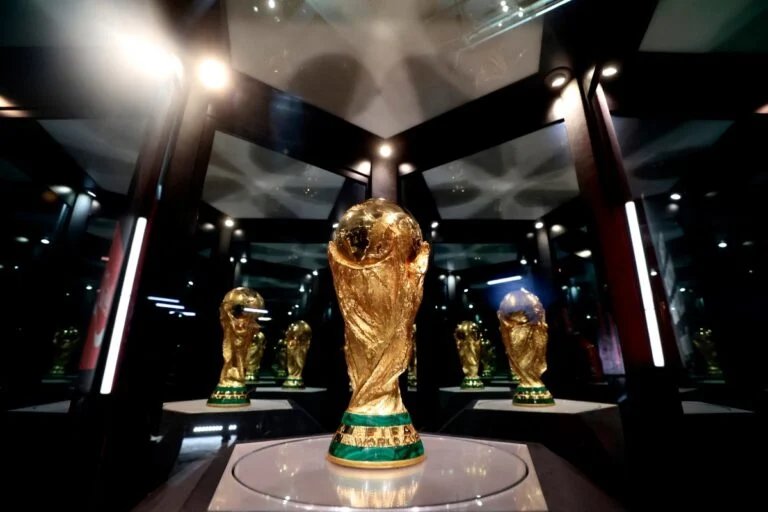
An uncertain World Cup looms
The 2026 edition of the FIFA World Cup, set to be jointly hosted by the United States, Mexico and Canada, is facing mounting uncertainty as political tensions, security concerns and financial challenges cloud preparations for football’s biggest spectacle.
Funding Freeze in the United States
One of the most pressing concerns is the reported freezing of $900 million in funding allocated to the 11 U.S. host cities for matches scheduled for June and July. The freeze, linked to the partial government shutdown in America, could significantly disrupt preparations if not resolved promptly.
Should the situation persist, it may lead to the cancellation of some events associated with the Finals, raising serious concerns about logistics and infrastructure readiness in one of the principal host nations.
Violence in Mexico
In Mexico, another co-host, rising violence has triggered fresh fears. The killing of Nemesio “El Mencho” Cervantes, leader of the Jalisco New Generation Cartel, on February 24 reportedly sparked retaliatory attacks across 16 states, leaving at least 55 people dead, including 25 security personnel.
Although Mexican authorities have assured that the violence will not affect the tournament, observers remain cautious about the security landscape as the event approaches.
Iran Tensions Threaten Participation
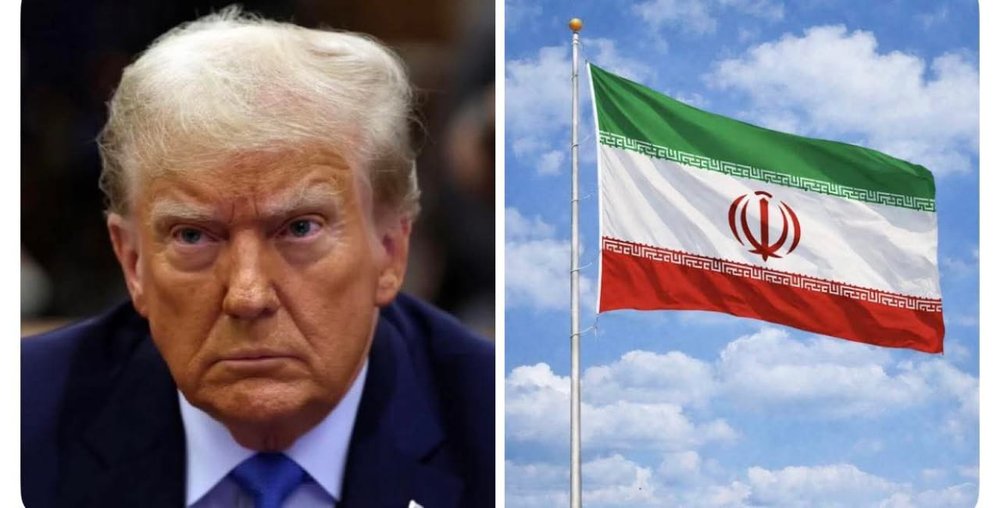
Geopolitical tensions have further complicated matters. Iran, one of the 48 qualified teams, has threatened to withdraw from the competition following joint attacks by the United States and Israel on Iranian leadership and military targets.
The assassination of Iran’s Supreme Leader, Ali “Ayatollah” Khamenei, and subsequent retaliatory strikes have heightened instability in the Middle East.
U.S. President Donald Trump dismissed concerns over Iran’s possible withdrawal, stating he was “not bothered if Iran does not come.” Analysts warn that the exit of any qualified nation could disrupt tournament structure and scheduling.
Historically, football has not been immune to politics. The World Cup was suspended in 1942 and 1946 due to World War II before resuming in 1950. In 1992, UEFA expelled Yugoslavia from the European Championships amid war, with Denmark replacing them and eventually winning the tournament.
FIFA Under Pressure
The global football body, FIFA, led by President Gianni Infantino, now faces a delicate balancing act. Critics argue that politics and football have increasingly intertwined under Infantino’s leadership.
Russia, which hosted the 2018 World Cup, was barred from the 2022 edition following its invasion of Ukraine and will not feature in 2026.
Ticket Price Controversy
Beyond politics and security, ticket pricing has sparked outrage. FIFA has raised prices significantly, citing unprecedented demand.
Group-stage tickets range from $60 to $410.
Second-round matches could reach $590 per ticket.
Final tickets are officially priced between $2,000 and $8,680.
Resale values have reportedly soared as high as $143,750.
The sharp increases have drawn criticism from fans who fear the tournament may become inaccessible to ordinary supporters.
Bigger Tournament, Bigger Stakes
The 2026 Finals will be the first to feature 48 teams, up from 32. Africa will have nine automatic qualification spots, with a possible tenth via playoffs.
The prize pool has risen to $787 million — a 50 per cent increase from the 2022 edition. Each finalist is guaranteed $10.5 million, while the winners will take home $50 million.
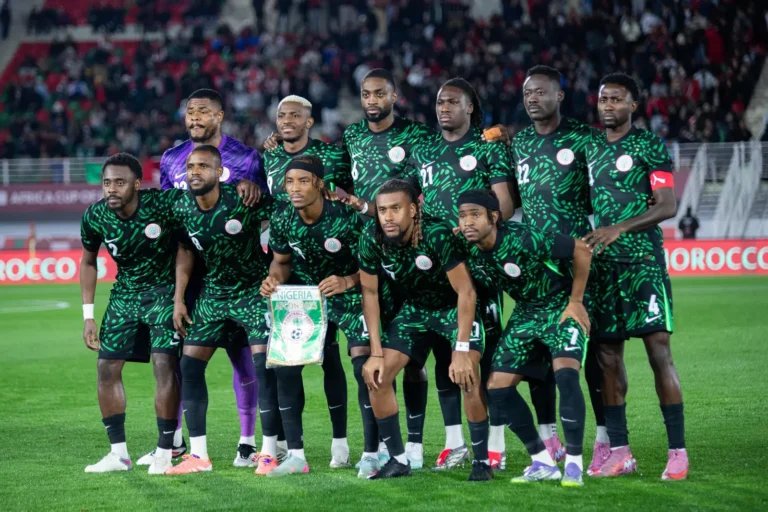
However, Nigeria will not participate. The Super Eagles failed to qualify for a second consecutive World Cup, following their near miss in the 2022 qualifying campaign.
As preparations intensify, the 2026 World Cup stands at a crossroads. Whether political tensions, funding uncertainties and security challenges will subside in time remains uncertain — but the stakes for global football have rarely been higher.