Abia Government Plans Road Safety Advisory Council, Supports School Safety Measures
SirEmeka

Abia Government Plans Road Safety Advisory Council, Supports School Safety Measures
The Abia State Government has reaffirmed its commitment to improving road safety, strengthening emergency response to road crashes and supporting the implementation of the Nigeria Road Safety Strategy II, which aims to reduce traffic-related deaths and injuries.
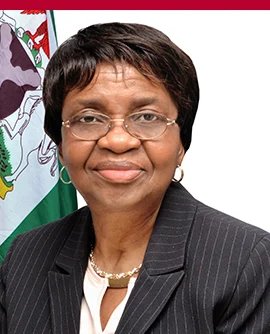
Deputy Governor Engr. Ikechukwu Emetu gave the assurance on Friday when the Abia Sector Commander of the Federal Road Safety Corps (FRSC), Corps Commander Ngozi Ezeoma, led members of her management team on a courtesy visit to Government House, Umuahia.
Emetu said the administration of Governor Alex Otti would consider establishing a functional Abia State Road Safety Advisory Council to coordinate road safety initiatives across the state.
He explained that the proposed council would bring together relevant ministries, including Health, Works, Transport, Education and Environment, alongside the Nigerian Society of Engineers and security agencies, to develop and implement a coordinated road safety framework.
The deputy governor described the FRSC's presentation on the 2021–2030 Road Safety Strategy as informative and pledged to present it to Governor Otti for consideration and approval. He added that the administration remained committed to policies that prioritise the welfare and safety of residents.
Emetu commended the FRSC for its technical support and acknowledged the operational difficulties confronting the corps, particularly the shortage of patrol vehicles.
He assured the delegation that the governor was aware of the challenge and would work towards providing vehicles for the FRSC and other security agencies in phases to strengthen road surveillance and rescue operations.
He also identified accident-prone locations, including the Okwoyi axis, as areas requiring urgent attention.
On school safety, Emetu expressed support for installing speed breakers and other traffic-calming measures around primary and secondary schools to protect pupils and students.
He called for a coordinated response to dangerous road practices, including impatience, disregard for traffic signs, and driving under the influence of drugs or alcohol.
Earlier, Corps Commander Ezeoma explained that the National Road Safety Strategy II seeks to reduce road traffic fatalities by at least 50 per cent by 2030, with a long-term vision of eliminating deaths on the roads.
She said the strategy is built around five pillars: safer road management, safer roads, safer vehicles, safer road users and improved post-crash care.
Ezeoma urged the state government to incorporate road safety features, including traffic signs, road markings, streetlights and pedestrian facilities, into new infrastructure projects.
She also called for stronger ambulance services, continued support for community-based post-crash volunteers and the establishment of road safety clubs in schools to educate young people on responsible road use.
The FRSC sector commander further appealed for government support for new FRSC units at Ekwunna and Obowo as part of efforts to expand the corps' operational reach and improve road safety enforcement across the state.